ImpactReport™

Kruso A/S

CVR DK25524365

62.10: Computer programming activities

08.06.2026
Hent PDF

Basic sustainability report

Based on FSR’s ESG Key Metrics and the UN Sustainable Development Goals

This report is prepared in accordance with the ESG key metrics framework recommended by the Danish Finance Society/CFA Society Denmark, FSR – Danish Auditors, and Nasdaq Copenhagen. The objective is to promote harmonization and standardization of sustainability reporting.

The report outlines our progress in sustainability, with a particular focus on selected UN Sustainable Development Goals (SDGs). These global goals serve as a roadmap for achieving sustainable development for both people and the planet by 2030.

 Message from Management 

With this ESG report, we continue Kruso A/S’s commitment to building a more sustainable and responsible business. Over the past year, ESG has become an even more integrated part of how we operate, make decisions, and create long-term value for our employees, customers, and society.
Businesses across all industries play an important role in addressing climate change and social responsibility. According to the United Nations, global CO₂ emissions must be reduced significantly before 2030 to limit global warming. At the same time, the digital sector is estimated to account for  2–4% of global greenhouse gas emissions — a figure that continues to grow as digitalization accelerates.

As a digital consultancy and technology company, we recognize our responsibility to contribute positively to this development. We believe technology should support the green transition by creating smarter, more efficient, and sustainable solutions for both businesses and society.
At Kruso A/S, sustainability is not only about reducing emissions. It is also about creating a healthy and inclusive workplace, acting responsibly, and building long-term relationships based on trust and transparency. We believe responsible business practices and long-term success go hand in hand.

As CEO of Kruso A/S, I see ESG not only as a responsibility, but also as an opportunity for innovation, growth, and positive change. With this report, we continue strengthening our efforts to measure, improve, and transparently communicate our ESG initiatives and progress.
I hope this report provides valuable insight into our journey and inspires others to continue driving positive change.
Happy reading!
Lars Ørum Andersen
CEO

 The UN Sustainable Development Goals 

We remain committed to these goals:
At Kruso A/S, we have chosen to focus on UN Sustainable Development Goals (SDGs) 3, 4, 5, 12, and 13.
These five goals reflect the areas where we believe Kruso A/S can make the most meaningful contribution and drive lasting, sustainable impact. 
  • SDG 3 focuses on good health and well-being, which is crucial for our employees, customers, and the general welfare of society.
  • SDG 4 addresses quality education, which is vital for developing skills and opportunities for a better future.
  • SDG 5 emphasizes gender equality and the empowerment of women and girls, a fundamental value for creating a fair and inclusive world.
  • SDG 12 highlights responsible consumption and production, which is critical to minimizing our environmental footprint and promoting sustainable business practices.
  • SDG 13 centers on climate action, which is essential for combating climate change and preserving our planet for future generations.
By addressing these goals in our ESG report, we commit to creating a positive impact on health, education, gender equality, environmental sustainability, and climate action. These goals form the foundation of our ESG strategy and our contribution to building a fairer, more sustainable, and inclusive world.

Health and Wellbeing

We must ensure a healthy life for everyone and promote well-being for all age groups
Quality education

We must ensure everyone has equal access to quality education and promote everyone's opportunities for lifelong learning
Gender Equality

We must achieve gender equality and strengthen the rights and opportunities of women and girls
Responsible Consumption and Production

We need to ensure sustainable consumption and production
Climate initiative

We must act quickly to combat climate change and its consequences

 UN Global Compact and Responsible Business Conduct

Kruso A/S supports the principles of the United Nations Global Compact and is committed to conducting business in a responsible, ethical, and sustainable manner. Our policies, management practices, and workplace culture are aligned with the ten principles covering human rights, labour rights, environmental responsibility, and anti-corruption.

As a knowledge-based consultancy business, our most important asset is our employees. We therefore place a strong emphasis on creating a safe, inclusive, and healthy working environment where employees are treated with respect and have equal opportunities for development regardless of gender, age, ethnicity, religion, disability, sexual orientation, or other personal characteristics.

Our commitment is reflected in several initiatives described throughout this report, including:
  •  A strong focus on employee well-being, work-life balance, flexible working arrangements, health insurance, pension schemes, and continuous dialogue between employees and managers. 
  •  Access to continuous learning, professional development, and skills enhancement opportunities, supporting lifelong learning and employee growth. 
  •  A whistleblower scheme that allows concerns to be reported confidentially and anonymously, supporting transparency, integrity, and responsible governance. 
  •  Active efforts to maintain a psychologically safe and collaborative workplace culture built on trust, openness, and mutual respect. 
Our 2025 Workplace Assessment (APV), completed by 36 employees, demonstrates a high level of employee satisfaction regarding influence over work, cooperation with colleagues, trust, leadership, learning opportunities, and working conditions. The survey also showed that none of our employees reported incidents of threats, physical violence, bullying, or sexual harassment during the reporting period. 
Kruso A/S does not tolerate forced labour, child labour, discrimination, corruption, bribery, or any form of unethical business conduct. We comply with applicable labour legislation and collective labour standards and ensure that employees receive fair compensation and safe working conditions. Furthermore, we support environmentally responsible business practices through our focus on climate action, responsible consumption, and sustainable digital solutions, as described throughout this report. 

Through these efforts, Kruso A/S believes that we actively support and uphold the principles of the UN Global Compact and contribute positively to the UN Sustainable Development Goals that form the foundation of our ESG strategy. 

UN Sustainable Development Goal 3
  • - Good Health and Well-Being

At Kruso A/S, we view prioritizing well-being and health as the foundation for sustainable business operations and a sustainable work life. For us, this prioritization stems from a long-term perspective and the belief in the value of being a workplace where employees want to stay for many years. It is also a matter of ethics, as we believe we have a moral obligation to support the UN Sustainable Development Goals and contribute to a better and healthier world.
When our employees thrive, they are better equipped to create innovative solutions and deliver high-quality work on our projects. Additionally, we see work-life balance as a crucial aspect of well-being. It contributes to lower stress levels and improved mental health, which in turn leads to greater job satisfaction and motivation.
At Kruso A/S, we also actively support our employees’ physical health through initiatives such as fitness programs, mental health resources, and a healthy canteen offering.
In the following sections, you can read about the specific initiatives we have prioritized in the areas of health and well-being.

Health Insurance

At Kruso A/S, employee well-being is a key priority. Through our health insurance with Tryg, employees have access to relevant medical care and treatment when needed, helping ensure both physical well-being and peace of mind.

The insurance provides fast access to specialists and treatment, supporting employees in receiving timely care and reducing the impact of health-related challenges on both their professional and personal lives. We see this as an important part of creating a healthy and supportive workplace.

We also believe that strong employee benefits, including health insurance, play an important role in attracting and retaining talented employees in a competitive job market. Providing health insurance is therefore a natural investment in both our people and the long-term success of the business.

Free Influenza Vaccination
At Kruso A/S, we are committed to supporting the health and well-being of our employees. As part of this commitment, we have offered free annual influenza vaccinations through ApoVac pharmacies for the past four years, helping to reduce the risk of seasonal illness and promote a healthy workplace.

By providing access to preventive healthcare measures, we aim to protect both individual employees and the wider organization from the impact of influenza-related absences. We believe that proactive health initiatives contribute to employee well-being, productivity, and overall job satisfaction.

Participation in the vaccination program is entirely voluntary, and approximately 20% of employees choose to make use of the offer each year.
Through this initiative, we encourage our employees to take an active role in maintaining their health while fostering a safe, healthy, and supportive working environment for everyone.

Pension

The average age at Kruso A/S is 39.7 years, meaning many employees are in life stages where major events—such as having children, getting married, or buying a home—frequently occur. These changes often lead to shifting financial responsibilities and priorities, requiring a timely review of pension and insurance coverage.

To support employees through these transitions, Kruso A/S collaborates with Velliv to provide pension guidance and advisory services. During the past 12 months, employees received a combination of pension meetings, telephone consultations, welcome guidance, and ongoing pension communication. According to Velliv’s 2025 status report, 67% of employees have actively consented to receiving pension-related communication, while 32 employees received a total of 179 newsletters and advisory updates during the year. 

According to Velliv, 90% of Kruso A/S employees have pension and insurance coverage that aligns with recommended levels. 

Our employees also demonstrate a strong commitment to sustainability through their pension investments. According to the pension provider’s report, 96% of employees are invested through VækstPension solutions, which integrate responsible and long-term investment principles. 
Kruso A/S provides an employer pension contribution of 12% of each employee’s pensionable salary. In addition, employees voluntarily contribute an average of 2.1%, resulting in a total average pension contribution of 14.1% in 2025. 
Whistleblower
At Kruso A/S, we are committed to transparency and maintaining a responsible working environment. As part of this commitment, we have implemented a whistleblower program that enables both internal and external individuals to report concerns in a safe and structured manner.

Two dedicated whistleblower officers—one female and one male employee, both outside of the management team—have been appointed to handle all incoming reports.

If anyone becomes aware of conduct that may compromise Kruso A/S’s ethical standards or integrity, we strongly encourage them to use the whistleblower channel. Reports can be submitted anonymously.

All cases are automatically directed to the appointed officers, who handle them with strict confidentiality and in full compliance with relevant laws and guidelines.
Work-Life-Balance

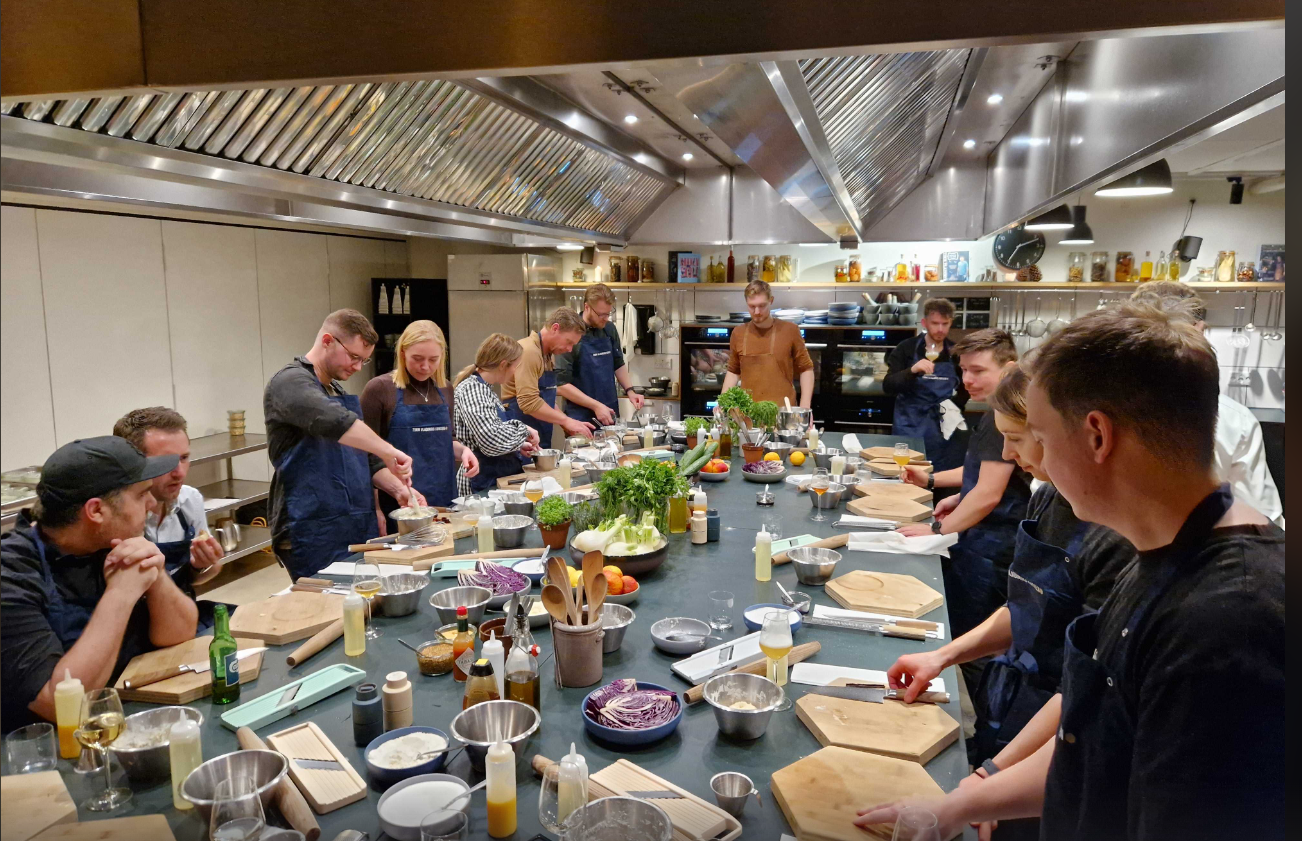
At Kruso A/S, we prioritize work-life balance. We offer our employees flexibility, including the option to work from home and flexible working hours. We encourage our employees to work from the office at least three days a week, preferably between 9:00 AM and 3:00 PM. While remote work has its advantages, we value the physical presence of our employees at one of our offices, as it fosters a strong team spirit and promotes knowledge sharing—both of which are essential to our workplace.
  • We find that remote work allows employees to create a more flexible work life, achieving a better balance between their professional and personal lives. This ultimately results in happier and more satisfied employees.
  • Certain tasks are often better accomplished at home, where distractions and interruptions commonly found in an office setting can be minimized. This can boost productivity by enabling employees to work in an environment that suits their work style and preferences, giving them greater autonomy over their work life.
  • Last year, we partnered with Flexbuy to make it possible for employees to purchase ergonomic chairs, desks, and other relevant items for their home office. These purchases are made through a gross salary deduction, ensuring that employees can enjoy optimal working conditions even when working from home.
  • We view the option to work remotely as an important factor in ensuring a socially sustainable workplace where employees of all ages and life circumstances can thrive over the long term. Fundamentally, we see great value in retaining our employees for many years, and we know that many of them appreciate the flexibility of remote work. This makes it a long-term investment that benefits both our employees and Kruso A/S.
  • Lastly, remote work contributes to reducing Kruso A/S’s overall carbon footprint by decreasing the need for daily commuting. As highlighted in the section on Sustainable Development Goal 13, a significant portion of our CO2 emissions stems from transportation.
In 2025, our employees worked from the office an average of 3.38 days per week. According to a survey, employees indicated that, on average, they would have preferred to work from the office 3.27 days per week if they had complete freedom to choose the number of in-office days.

Sick leave

10.9

7.5h-Days/FTE

2025

Employee turnover

13.6

%

2025

Sick leave and employee turnover
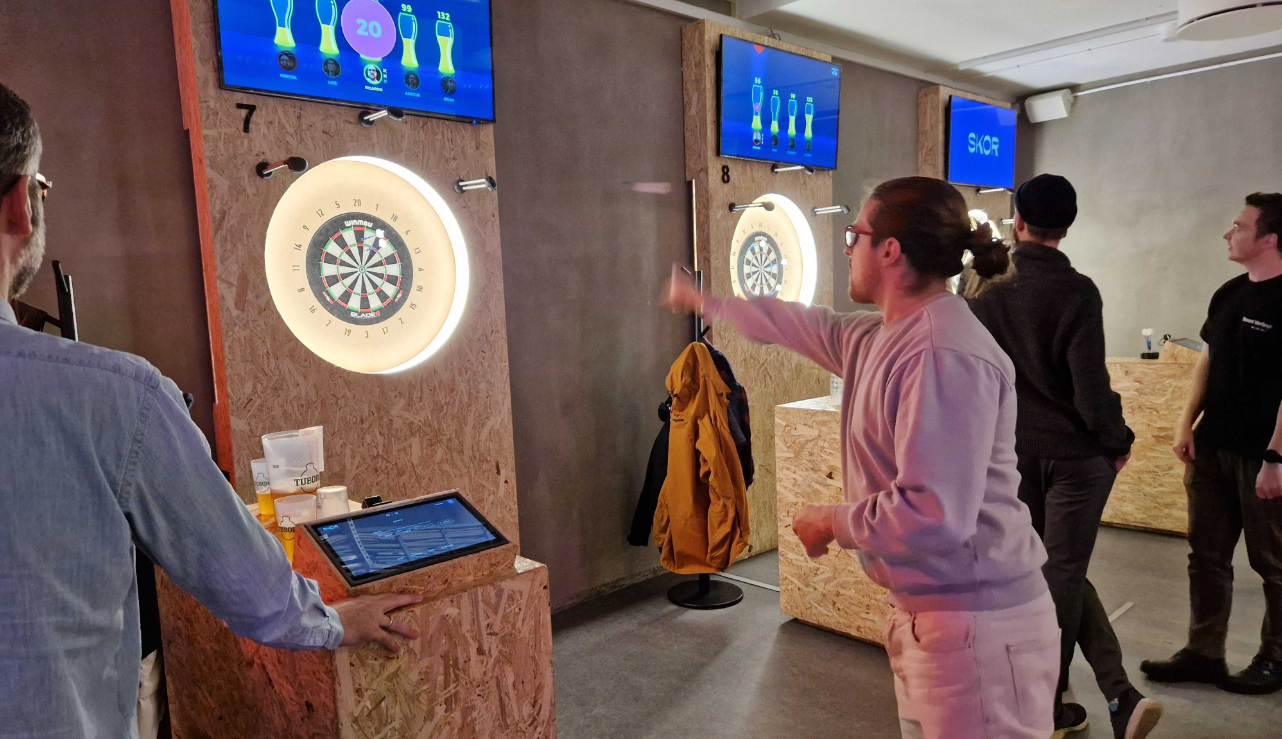
At Kruso A/S, we strive to create a work environment where our employees thrive and grow. We are actively working to reduce sick leave by implementing initiatives that support a healthy work life with flexibility and a strong work-life balance.


We always ensure that the immediate manager maintains close dialogue with employees during periods of illness. However, our approach is adapted to the nature and circumstances of each individual case. We recognize that there is a significant difference between short-term illnesses such as infections and more complex conditions related to stress, mental health, or long-term wellbeing. Therefore, Kruso A/S applies an individualized and supportive approach to sickness absence, focusing on trust, flexibility, early dialogue, and tailored support measures for each employee.
Over the past three years, Kruso A/S has achieved a gradual reduction in sick leave. The average number of sick leave days per employee decreased from 13.0 days in 2023 to 12.1 days in 2024 and further to 11.1 days in 2025. This positive trend reflects our continued efforts to strengthen employee wellbeing through initiatives focused on flexibility, work-life balance, health support, and a healthy workplace culture.
Based on internal calculations, sick leave cost Kruso A/S approximately DKK 2 million in 2025, corresponding to around DKK 39,000 per employee. Beyond the direct financial impact, sickness absence may also affect project continuity, collaboration, and workload distribution across teams, making prevention and early intervention important priorities for the company.

According to Statistics Denmark, the average sickness absence across all sectors in Denmark was 9.67 days per full-time employee in 2024, corresponding to an absence rate of 4.12%. The latest national statistics available at the time of reporting are based on 2024 figures, as full-year 2025 data had not yet been published. Although Kruso A/S remains slightly above the latest national average, the continued reduction in sick leave demonstrates that our initiatives are moving in the right direction.

We also recognize that our industry is characterized by highly specialized and predominantly sedentary work, where factors such as screen-based work, mental workload, and tight project deadlines may contribute to higher absence levels. To further strengthen employee wellbeing and reduce sick leave over time, Kruso A/S continues to focus on flexible working conditions, ergonomic work environments, health insurance, and a workplace culture built on trust, openness, and collaboration.
Preventive initiatives are an important part of our approach. We actively design workflows and organizational structures in ways that avoid encouraging excessive overtime or creating unnecessary competition between employees. Instead, we aim to foster a collaborative and psychologically safe working environment. For example, Kruso A/S offers competitive fixed salaries and does not use individual bonus schemes, as we believe this supports teamwork, knowledge sharing, and long-term motivation more effectively than highly individual performance incentives.
We also use time tracking as a tool to support employee wellbeing and prevent excessive workloads. This enables managers to identify patterns of unreasonable overtime at an early stage and take action before it develops into stress or long-term health issues.

We recognize that development and consulting work can involve a range of challenges, including uncertainty around task complexity, changing client expectations, and interruptions caused by urgent support requests. To reduce unnecessary pressure on employees, we maintain a clear division of responsibilities between project managers, developers, and IT support functions. Client communication is primarily handled by project managers or support teams, allowing developers to focus on their core responsibilities and minimize unnecessary interruptions.

Instead of relying solely on traditional annual performance reviews, employees participate in monthly 1:1 meetings with their manager. We believe that in a fast-changing industry, continuous dialogue and regular follow-up provide a far more relevant and supportive framework for employee development, wellbeing, and workload management.

In addition, Kruso A/S has established the “Caretaker Initiative,” where a group of experienced senior developers meet with management twice a month to discuss workflows, challenges, and potential process improvements. The purpose is to identify issues at an early stage and continuously improve both collaboration and the working environment.

Employee turnover  at Kruso A/S increased from 10.9% in 2024 to 13.6% in 2025, corresponding to six employees leaving the company in 2024 and seven employees in 2025. Although turnover increased slightly during the year, we continue to view it as relatively low for the digital consulting industry. A certain level of employee turnover is both natural and beneficial, as it brings new perspectives, competencies, and ideas into the organization while supporting continuous development and innovation. 

At the same time, we recognize that a healthy organization also benefits from a certain level of employee turnover. New employees contribute fresh perspectives, new competencies, and alternative ways of working, while also challenging existing habits and processes. We therefore view balanced turnover as an important part of organizational development and innovation.

Another positive indicator is the increase in average employee tenure, which rose from 3.48 years in 2023 to 4.57 years in 2024 and further to 4.78 years in 2025. We believe this development reflects the impact of our ongoing efforts to create a supportive, meaningful, and engaging workplace. Our focus on work-life balance, transparent communication, flexibility, and professional development helps us retain skilled employees who feel valued, motivated, and able to grow with the company over the long term.

While some degree of turnover is both natural and healthy, Kruso A/S remains committed to building a workplace where employees want to stay, thrive, and contribute for many years.

Sport ’n’ Charity

Kruso A/S supports Sport ’n’ Charity with an annual donation of DKK 5,000.

Each year, more than 600 children in Denmark undergo cancer treatment. Although survival rates are high, more than half of the survivors experience long-term effects and disabilities. By supporting Sport ’n’ Charity, we help fund the development of an online training platform and a training kit that enables these children to exercise wherever they are—at home or in the hospital. This increases their chances of returning to life with fewer long-term complications and disabilities.

Through our support of Sport ’n’ Charity, we are proud to contribute to creating a positive impact on society—promoting health, community, and togetherness through sport.
UN Sustainable Development Goal 4 
– Quality Education 

At Kruso A/S, we view education, training, and certification as essential pillars of both individual growth and company success.

Continuous learning is a necessity in our field. Software development and the broader tech landscape evolve rapidly, and it is vital that our employees stay up to date with new trends, tools, technologies, security protocols, and testing methods. We believe that a strong learning culture not only fuels motivation and engagement but also leads to greater productivity and higher-quality deliverables.

We consider it a strategic investment to allocate both time and financial resources to upskilling.  We believe our people are our most valuable asset , and their development is directly linked to our ability to deliver impactful digital solutions. By offering strong learning opportunities, we also attract and retain talent seeking an environment that supports both personal and professional growth.

In 2025, we significantly increased our focus on employee development compared to previous years. This resulted in a substantial rise in training activity across the organization, with employees completing courses and certifications in areas such as Sitecore, Azure, Umbraco, dynamic web development, and Struct partner certification.

The average number of training hours per employee reached 147 hours in 2025, representing a strong increase from 64 hours in 2024 and surpassing previous levels in both 2023 and 2022. This development reflects a deliberate prioritization of learning and capability building, following a period in 2024 where high client activity temporarily limited available time for training.
We see this positive trend as an important step in strengthening our competencies and ensuring that we remain at the forefront of technological development.  The figure includes internal training, certifications, conferences, knowledge-sharing sessions, and self-study time. 

Training hours per employee:
  •  2025: 147 hours 
  •  2024: 64 hours 
  •  2023: 103 hours 
  •  2022: 72 hours

 Students, interns, and student assistants 

At Kruso A/S, we continue to prioritize the recruitment of students, interns, and student assistants as an important part of our long-term talent development strategy. By investing in young talent, we actively contribute to educating and preparing the next generation of professionals entering the workforce.
We highly value the fresh perspectives, curiosity, creativity, and new ideas that students and interns bring to our organization. At the same time, we recognize our responsibility as a company within the digital and IT industry to help develop future specialists and strengthen the broader talent pipeline within the sector.
We believe that software development, UX design, and digital consulting are disciplines best learned through a combination of education and practical experience. Internships therefore play an important role in giving students hands-on exposure to real-world projects, client collaboration, and complex digital solutions in a professional environment.

To ensure a high-quality and meaningful internship experience, each intern is assigned a dedicated senior mentor who provides continuous guidance, feedback, and professional support throughout the internship period. Whenever possible, interns are involved in real client projects from an early stage, allowing them to contribute meaningfully while developing both technical and collaborative skills in practice.
We also place strong emphasis on close collaboration between interns and their mentors, both professionally and physically, as we have experienced that this setup strengthens knowledge sharing, accelerates learning, and increases engagement and inclusion within the teams.

Interns

During 2025, Kruso A/S hosted 12 interns within the fields of marketing, UX design, and software development. Internship periods ranged from three to five months, depending on the educational program and individual internship structure.

Student Assistants

In 2025, Kruso A/S employed eight student assistants across different functions within the company. Three student assistants worked as office managers, while the remaining student assistants supported various operational and digital tasks across the organization.
We see student assistant positions as an important way of building long-term relationships with future talent while also giving students valuable practical experience alongside their studies.

Flex Job Employment

In 2025, Kruso A/S employed one person in a flex job position within backend development. The role consisted of seven working hours per week.
Although the position is limited in hours, we have successfully structured the role in a way that creates value for both the employee and Kruso A/S. We believe that inclusive employment initiatives such as flex jobs contribute positively to workplace diversity, social responsibility, and access to valuable competencies that might otherwise be overlooked in the labor market.

 UN Sustainable Development Goal 5
– Gender Equality

At Kruso A/S, promoting gender equality remains a key priority and an integral part of how we build a strong, future-ready organization. We view diversity not only as a matter of fairness, but as a driver of innovation, performance, and long-term value creation.

Diversity of Thought
A balanced representation of genders contributes to a broader range of perspectives, ideas, and approaches. This diversity strengthens our ability to challenge assumptions, improve problem-solving, and deliver more innovative digital solutions in an increasingly complex and evolving tech landscape.

Talent Attraction and Development
Creating an inclusive environment where all employees feel respected and empowered is essential to attracting and retaining talent. By fostering equal opportunities across genders, we strengthen our talent pipeline and ensure that we are able to develop and utilize the full potential of our workforce.

Customer-Centric Perspective
Understanding end-users is critical in digital development. As women represent a significant share of users and decision-makers, gender diversity within our teams enables us to design more relevant, inclusive, and user-centered digital experiences. This ultimately improves the quality and impact of the solutions we deliver to our clients.
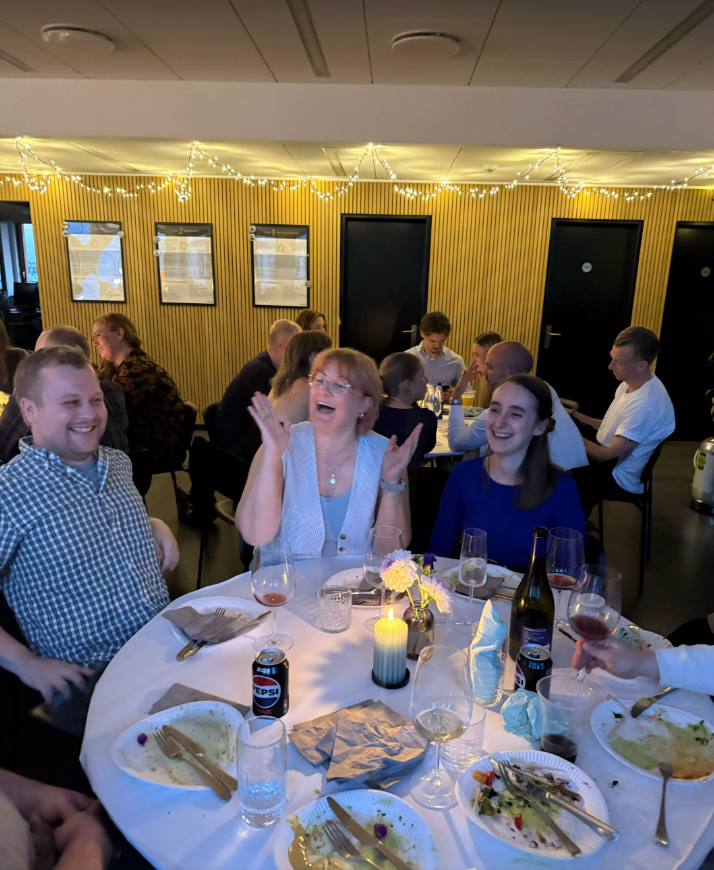
In summary, we believe that a continued focus on gender equality strengthens our organization by enhancing inclusivity, innovation, and overall performance—positioning us to better meet current demands and future opportunities.

Female full-time employees.

31.2

%

2025

Gender pay gap

0.85

Men : Women

2025

 Gender Equality 

 At Kruso A/S, we had an average of approximately 52 full-time employees in 2025, of whom 31.2% were women. While this represents a higher share of women than is typically seen across the IT industry, we continue to work actively to improve gender balance throughout the organization. 
 
The technology sector continues to face a structural gender imbalance. According to recent figures from Statistics Denmark, women remain significantly underrepresented in STEM-related higher education programs, which impacts the recruitment pool available to companies within IT and digital consultancy. This remains a broader industry challenge that affects the entire sector.

Gender Equality and Recruitment at Kruso A/S

Like many companies in the technology industry, Kruso A/S operates in a highly competitive market for qualified talent. Our recruitment efforts therefore focus on attracting and retaining the best candidates regardless of gender, background, or age.
At the same time, we recognize the importance of building a diverse and inclusive workplace and continuously work to strengthen gender diversity across all levels of the organization. We aim to create an environment where all employees have equal opportunities for development, leadership, and career progression.
As part of this effort, we continue to focus on:
  •  inclusive recruitment processes 
  •  equal career and development opportunities 
  •  flexible working conditions supporting work-life balance 
  •  creating an open and inclusive company culture 

Parental Leave Policy

As part of our commitment to equality and employee well-being, Kruso A/S offers full salary during parental leave for up to 24 weeks. We believe this policy supports modern family life and contributes positively to equal opportunities for both parents to participate actively in caregiving responsibilities.

Gender Pay Ratio at Kruso A/S

In 2025, the gender pay ratio at Kruso A/S was approximately 0.85, meaning that, on average, women earned 85% of male salaries. We recognize that this difference is primarily influenced by the current composition of our workforce, including differences in seniority, specialist roles, leadership representation, and years of experience.

The technology and consulting industries continue to experience structural gender pay disparities, particularly due to the underrepresentation of women in senior technical and leadership positions.

At Kruso A/S, we continuously monitor salary levels and employment practices to ensure fair and objective compensation structures. No material pay differences have been identified for employees performing comparable roles with similar levels of responsibility, qualifications, and experience.

We remain committed to reducing the overall gender pay gap over time through long-term initiatives focused on diversity, equal opportunities, leadership development, and balanced recruitment across all levels of the company.

Supporting Education Through UNICEF 

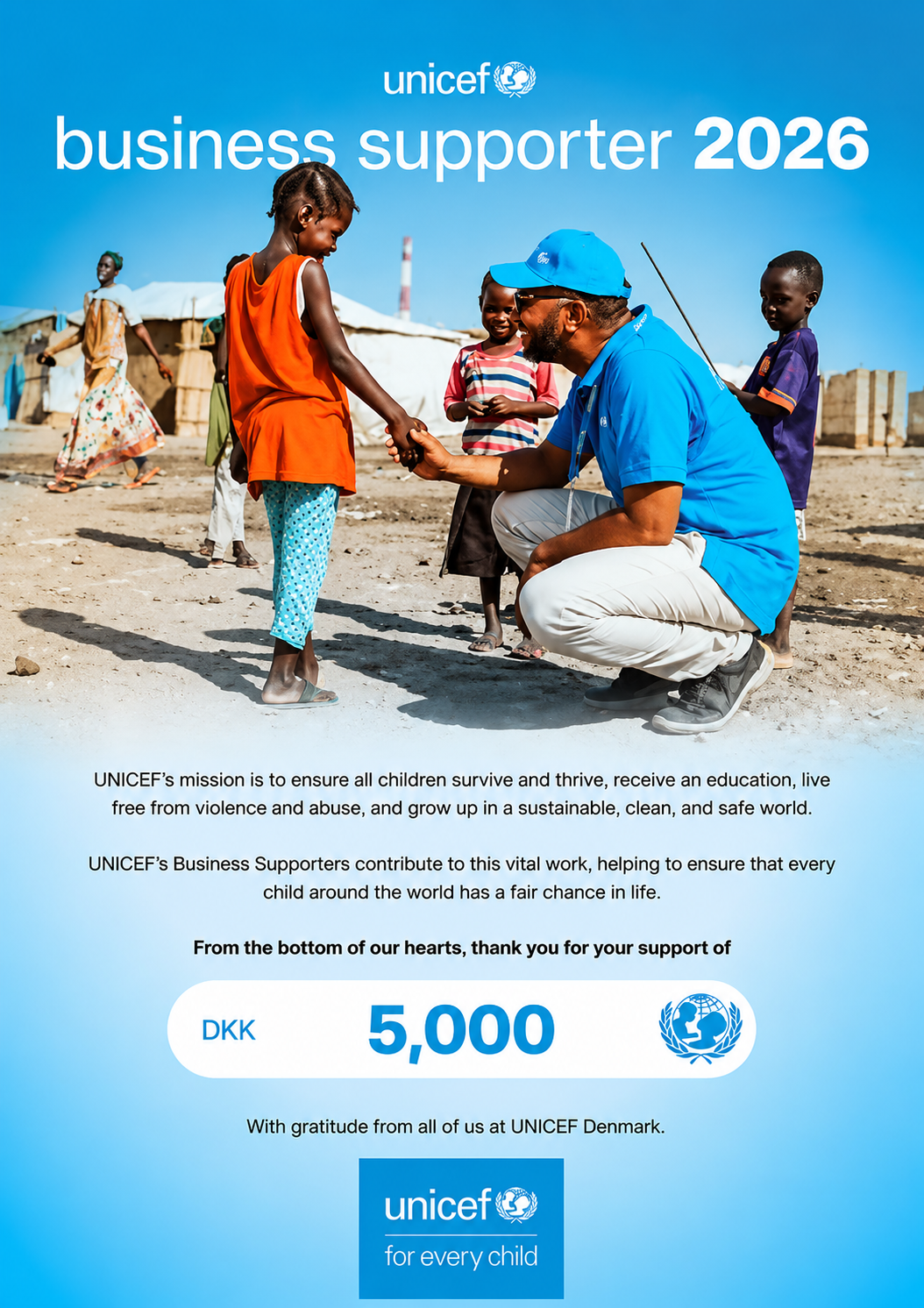
At Kruso A/S, we continue to support UNICEF’s education initiatives for both girls and boys, based on our conviction that access to education is fundamental to building a more equitable and sustainable world. By contributing to equal educational opportunities, we help empower children to develop their skills, unlock their potential, and participate actively in society.

We recognize that investing in girls’ education has a particularly strong and lasting impact. Education for girls contributes to breaking cycles of poverty, improving health outcomes, and strengthening communities. At the same time, it supports broader economic development and long-term societal stability. 


Our continued support reflects a commitment to creating positive social impact beyond our own organization. Through partnerships with organizations such as UNICEF, we contribute to advancing global access to education and promoting inclusive development.

By supporting educational initiatives, we are not only investing in individuals, but also in a more inclusive, resilient, and sustainable future for all.

UN Sustainable Development Goal 12
– Responsible Consumption and Production

As a company, we are committed to minimizing our environmental footprint and promoting sustainable production practices. By aligning with UN Sustainable Development Goal 12, we aim to improve resource efficiency, reduce waste, and support the transition to a circular economy. This not only contributes to more sustainable business practices, but also plays a vital role in protecting our planet and securing a livable future for generations to come.

The Climate Impact of the Internet
The internet plays an important role in the green transition by enabling remote meetings, reducing the need for travel, and supporting the digitalization of books, media, music, and other content—resulting in significantly lower CO₂ emissions compared to their physical counterparts. However, the internet also has a climate footprint, primarily due to the energy required for data storage on servers.

Design as a Tool for Reducing Carbon Emissions—and Cutting Costs
Web design can be an effective lever for lowering the internet’s climate impact. File sizes, color schemes, programming languages, and server infrastructure all consume electricity and contribute to CO₂ emissions. By making climate-conscious design choices, it is possible to significantly reduce a website’s environmental footprint—while also generating cost savings.
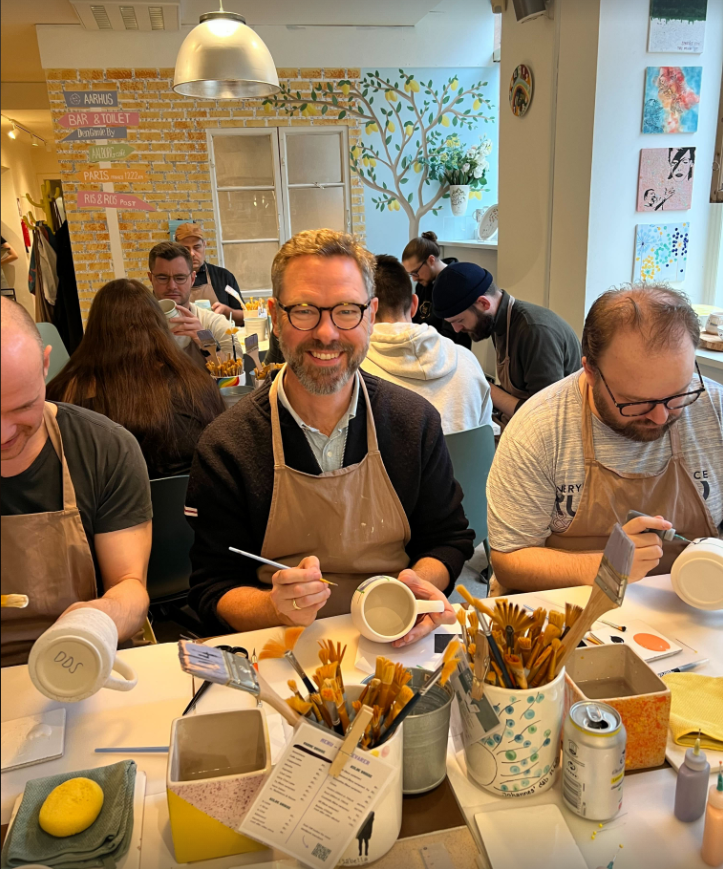
 

 Digital climate sustainability 

As part of our commitment to sustainability, Kruso also helps other organizations reducing their environmental impact online. In line with the EU’s Corporate Sustainability Reporting Directive (CSRD), we support clients in measuring and minimizing the carbon footprint of their websites. Our key offerings include:

Climate Optimization Audits:
  • Assessment of current CO₂ emissions from digital platforms
  • Clear sustainability goals and tailored action plans
  • Ongoing reporting to ensure CSRD compliance
Sustainable Optimization of Existing Websites:
  • Green hosting and CDN usage
  • Energy-efficient coding and reduced data usage
  • Strategic content management
Low-Impact Web Design:
  • UX and design choices aimed at reducing digital emissions
  • Improved performance and faster load times
  • Enhanced Core Web Vitals metrics
Client outcomes:
  • Reduced website-related CO₂ emissions
  • Measurable improvements in digital performance
  • Better alignment with current environmental regulations
We also share knowledge through our Digital Sustainability Whitepaper, where we offer:
  • Real-world examples of low-impact websites
  • Practical takeaways for sustainable web editing
  • Kruso’s design and development principles for climate-conscious digital solutions

Leasing of IT equipment 
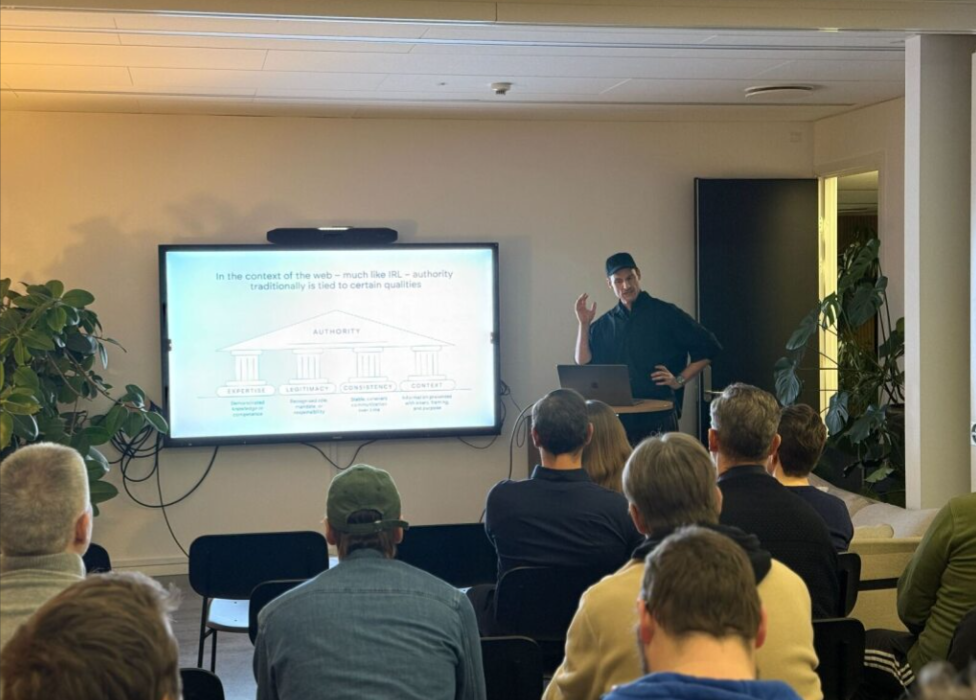
At Kruso A/S, we lease our IT equipment through selected partners that prioritize environmentally responsible and sustainable IT solutions, including Flexbuy and Admire. These suppliers have been chosen due to their strong focus on sustainable IT lifecycle management, circular economy principles, refurbishment, recycling, and reducing the overall environmental impact of IT equipment.
By leasing rather than purchasing equipment outright, we support a more resource-efficient approach where devices are maintained, reused, and responsibly recycled at the end of their lifecycle.

Reduced E-Waste

All our leasing agreements include responsible end-of-life management of IT equipment, ensuring that hardware is reused, refurbished, or recycled whenever possible. This helps reduce electronic waste and supports a more circular approach to IT asset management.

Energy Savings

Leasing provides access to newer and more energy-efficient hardware. By continuously updating our IT equipment through our leasing partners, Kruso A/S reduces energy consumption and lowers the overall environmental footprint associated with our IT operations.


Materials and Resource Efficiency

Our leasing partners support circular business models focused on reuse, refurbishment, and responsible recycling of IT equipment. This contributes to more efficient use of resources, reduces the need for new raw materials, and helps minimize the climate impact related to production and disposal of hardware.

Overall Environmental Impact

By leasing IT equipment through environmentally conscious partners, Kruso A/S supports initiatives that reduce waste, promote reuse, improve recycling, lower energy consumption, and minimize the environmental impact of IT equipment throughout its lifecycle. Together, these efforts contribute to reducing our overall environmental and climate footprint.

 Cloud – A Sustainable IT Solution 


Cloud Solutions and Sustainable IT Infrastructure
At Kruso A/S, we have transitioned to storing the majority of our data externally through cloud-based solutions. By leveraging cloud services, we optimize our resource consumption, as server capacity can be scaled up or down depending on our actual needs.

Since our demand for server capacity fluctuates, it is a significant advantage to use a solution that prevents unnecessary energy consumption due to excess or idle capacity.

Cloud solutions also reduce the need to upgrade and maintain local IT infrastructure, thereby minimizing electronic waste.

Overall, cloud computing contributes to a more sustainable IT infrastructure by optimizing resource usage, lowering energy consumption, and promoting shared and efficient use of IT resources.


Cloud Providers and Energy Efficiency
Currently, we use the following external cloud providers: Azure, Curanet, Umbraco Cloud, and Netlify. These providers have been selected, among other criteria, for their commitment to energy-efficient and environmentally responsible technologies.
  • Azure and Umbraco Cloud have set goals to power their data centers entirely with renewable energy by 2025.
  • Curanet already runs its servers on 100% renewable energy.
  • Netlify operates using Amazon Web Services (AWS), which currently runs on 90% renewable energy, as well as Google Cloud, which uses 100% renewable energy and is actively working toward becoming fully carbon-neutral.
By choosing providers with clear climate goals, Kruso A/S contributes to the advancement of greener digital infrastructure and a more climate-conscious tech industry.

 Energy for People —  Not Just Machines 

While all our computers require energy, we believe the energy we serve to our people is just as important.

 Sustainable Lunch Suppliers
At Kruso A/S, we aim to collaborate with suppliers that actively support sustainability, responsible sourcing, and ESG-related initiatives. When selecting lunch and catering partners for our offices, we therefore consider not only quality and flexibility, but also the supplier’s environmental profile and commitment to reducing climate impact and food waste.
In our Copenhagen office, we collaborate with Wopla ApS as our lunch supplier. Wopla was selected due to their focus on CO₂ monitoring, sustainable workplaces, environmentally conscious supplier choices, and reducing food waste. Through their platform and supplier network, Wopla helps create greater transparency around the environmental impact related to food and office services while supporting more sustainable workplace operations. Our lunch setup also includes vegetarian options and flexible portion management, helping minimize unnecessary food waste and encouraging more sustainable eating habits.

In our Aarhus office, we collaborate with Gastro13 ApS as our lunch supplier. gastro13 was selected due to their active focus on sustainability, responsible sourcing, and reducing environmental impact. They work continuously to improve their sustainability efforts through initiatives such as reducing food waste, using seasonal and locally sourced ingredients, sustainable fish, reusable serving materials, and minimizing disposable packaging. In addition, gastro13 focuses on environmentally friendly transport solutions and donates excess food whenever possible to help reduce waste.
Through these partnerships, Kruso A/S supports initiatives that contribute to more sustainable workplace operations, responsible food consumption, and a reduced environmental footprint related to catering and office services.


Coffee Suppliers

At Kruso A/S, we aim to collaborate with suppliers that actively support sustainability, responsible sourcing, and responsible business practices. In our offices, we work with coffee suppliers such as Nice Coffee and DanKaf, both of which focus on delivering high-quality coffee solutions while working actively with sustainability initiatives.

Nice Coffee offers organic, Fairtrade-certified, and climate-compensated coffee with a strong focus on traceability and responsible sourcing. The company works closely with smaller coffee cooperatives in developing countries and emphasizes transparency throughout the supply chain. In addition, Nice Coffee uses recyclable packaging and continuously works to reduce the environmental impact associated with coffee production and distribution.

DanKaf also works actively with responsibility and sustainability initiatives across its operations and supply chain. Their approach includes a focus on responsible sourcing, reducing environmental impact, improving resource efficiency, and supporting sustainable business practices. Through their responsibility initiatives, DanKaf aims to contribute to a more sustainable coffee industry while maintaining high quality and operational reliability.

Through these partnerships, Kruso A/S supports suppliers that actively work with sustainability, transparency, and reducing the environmental footprint related to everyday office consumption.


 UN Sustainable Development Goal 13
– Climate Action

At Kruso A/S, we are committed to reducing our climate impact and contributing to a more sustainable future. In alignment with United Nations Sustainable Development Goal 13, we continuously work to reduce our carbon footprint and support initiatives that help combat climate change.

Kruso A/S has prepared a carbon accounting report providing an overview of our greenhouse gas emissions, including emissions related to electricity, district heating, waste, commuting, and business travel (Scope 2 and Scope 3). All calculations are based on the international GHG Protocol standard.

The report shows that our largest sources of emissions are employee commuting and business travel, while electricity, heating, and waste contribute to a lesser extent. Kruso A/S has no direct Scope 1 emissions, as all emissions are indirect and therefore categorized under Scope 2 and Scope 3.

We encourage employees to use public transportation whenever possible for business travel. Through our corporate agreement with DSB, we receive calculations of both our CO₂ emissions and the emissions avoided by choosing train travel instead of car transportation.

According to DSB’s calculations, Kruso A/S avoided 2,732 kg of CO₂ emissions in 2025 by using train travel instead of car travel. Emissions related to train travel amounted to 914 kg of CO₂ during the same period.

 WWF World Wide Fund for Nature 
At Kruso A/S, we recognize the importance of protecting the world's biodiversity and natural ecosystems. We support organizations that work to conserve wildlife, restore habitats, and safeguard the delicate balance of nature for future generations.

We believe that healthy ecosystems are essential to addressing global environmental challenges, including climate change, biodiversity loss, and the sustainable use of natural resources. By supporting WWF, we contribute to initiatives that promote environmental stewardship and long-term sustainability.

We are committed to acting responsibly and encouraging positive environmental change through our business practices and partnerships. Supporting WWF aligns with our ambition to help protect the planet's natural resources and create a more sustainable future.

Through our support of WWF, we aim to contribute to the preservation of nature, the protection of endangered species, and the promotion of a healthier and more resilient world for generations to come.

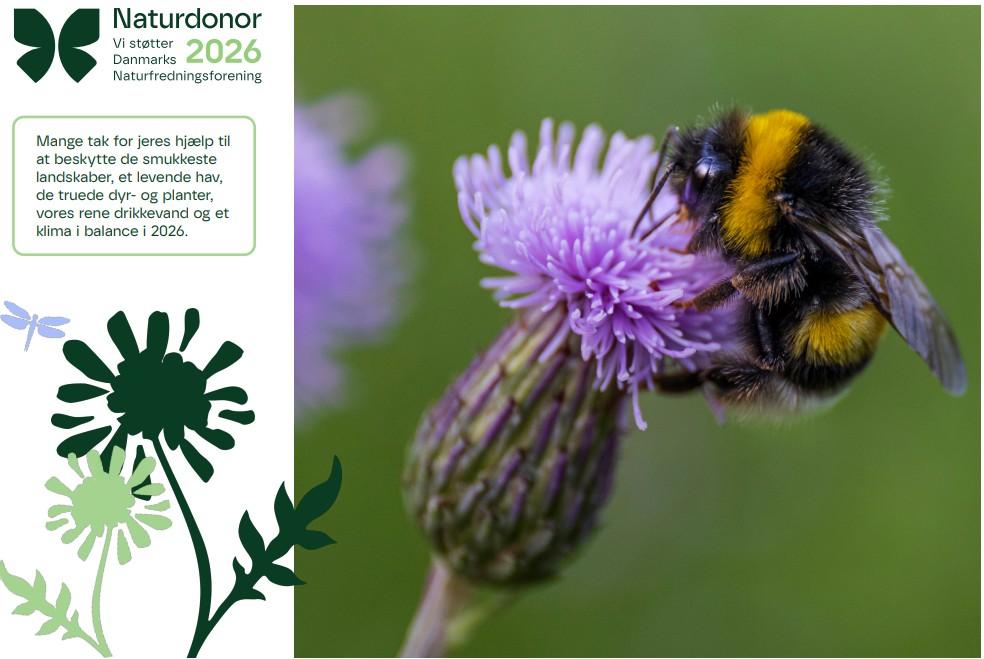
Danmarks Naturfredningsforening

At Kruso A/S, we are strong advocates for the preservation and protection of plant and animal life. We aim to support organizations that help ensure our natural heritage remains intact and continues to thrive.

We are dedicated to reducing our climate impact and contributing to global efforts to combat climate change. This includes supporting initiatives that promote sustainability, renewable energy, and the reduction of our environmental footprint.

We are committed to minimizing waste and pollution by supporting recycling, reuse, and waste reduction initiatives. We believe in actively taking part in preserving our environment for future generations.

Through our support and commitment, we hope to make a positive impact on our environment and society, and to work together toward a more sustainable and harmonious future for all.

Appendiks


Vi følger løbende op på udviklingen og gennemfører initiativer til forbedringer.

Environment (Environment)

Input
Unit
Period
CO2e emissions from scope 2 location-based
15,0
ton
2025
CO2e emissions from scope 2 market-based
19,7
ton
2025
Total CO2e emissions in Scope 3
41,4
ton
2025

Social (Employees)

Input
Unit
Period
Average number of full-time employees
51,4
 
2025
The proportion of women among full-time employees
31,2
%
2025
Gender pay gap
0,85
Men ifht. women
2025
Employee turnover
13,6
%
2025
Sick leave
11,0
7.4t-Dage/FTE
2025

Comments on the report

The report is not verified by an independent third party. Although we have made efforts to ensure that the content of the report is accurate, there is no guarantee regarding its accuracy and/or completeness, and we therefore disclaim any liability for any damage or loss that may arise from actions taken based on the report.

Denne ImpactReport er lavet med Valified