ImpactReport™

 ESG Report
2024

SolarFuture ApS
VAT DK36456205

15.09.2025
Hent PDF

 EU recommendations for voluntary ESG reporting for non-listed SMEs (VSME) 

Based on EFRAG’s VSME ESRS standard from December 2024
This report is based on the basic module in the EU’s voluntary reporting standards for SMEs (EFRAG’s Voluntary ESRS for small- and medium-sized enterprises (VSME ESRS) from December 2024. 
Read about the recommendations here

 Management Statement 

We are proud to present SolarFuture’s first ESG Report. This report is our commitment to being transparent and to providing everyone with an honest picture of SolarFuture. Presenting this report also carries a responsibility—one we are fully prepared to assume—as our organization has an obligation to contribute to the green transition.

As a starting point, the focus in this first edition is on Scope 1 and 2 emissions; Scope 3 will follow in the coming years. Our ESG Report is more than just a presentation document; it serves as concrete evidence of our commitment to sustainability, a clear expression of our dedication to environmental leadership, and a demonstration of our determination to advance sustainable practices within the solar industry.

The report reflects our continued commitment to creating a safe, dynamic, and developmental workplace, where employee well-being and professional growth are at the center. At the same time, it emphasizes that our contribution extends beyond strengthening the local communities we are part of—it also impacts society nationally and globally through responsible and value-creating actions.

Mads Christensen

Chief Executive Officer
SolarFuture ApS

 Company Data (B1) 

SolarFuture is a Danish company headquartered in Albertslund, CVR DK36456205.

We provide consultancy and design services for large-scale solar solutions to B2B customers, and act as an EPC partner (advisory, design, procurement, and coordination from initial analyses through to final commissioning).

In line with the green transition, SolarFuture has experienced continuous growth and rising demand for our specialized expertise. Our primary focus is the Danish market, but we also have experience with projects abroad, including Sweden, Greenland, and the Faroe Islands.


Installation is carried out by certified partners, while operations and maintenance (O&M) are managed by SolarFuture and specialized partners after delivery.

SolarFuture does not own production assets; projects are delivered to the customer, and service is contractually handled via partners. SF employed 14 staff members by the end of 2024.

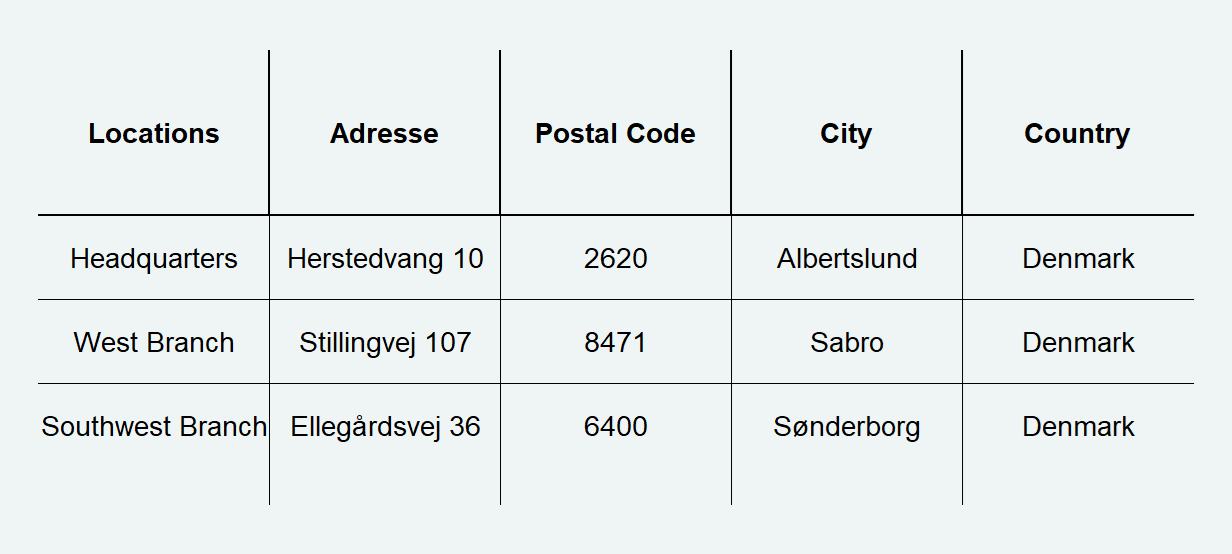
This report is based on 2024 and therefore covers only the head office, as additional departments were established at the end of 2024 and the beginning of 2025. See Appendix B1 for address information.

See appendix for a full overview of company data at the end of the report.


Certifications (B1) 

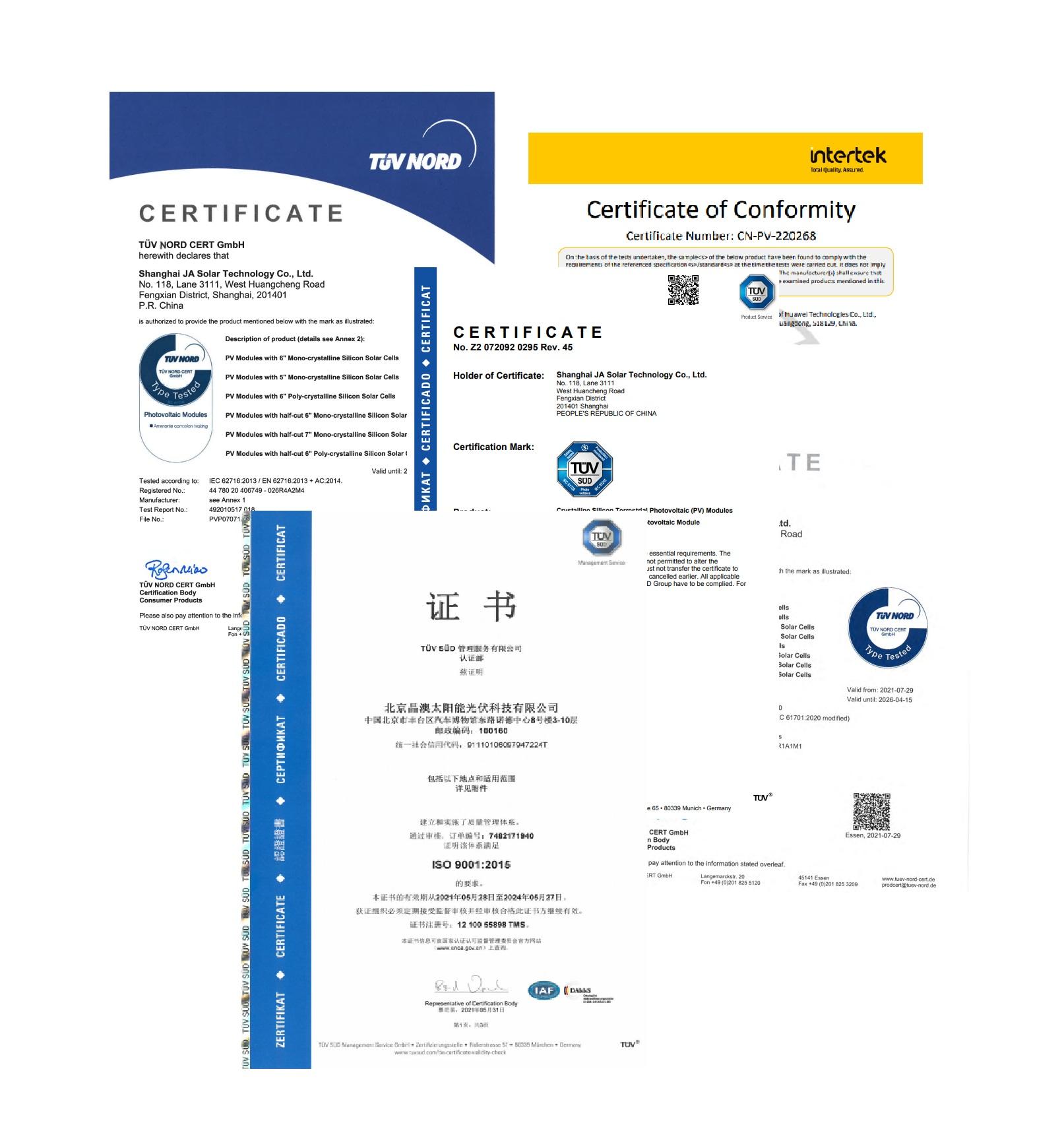
SolarFuture is not ISO-certified as an organization. However, in our supplier and product evaluations we place weight on whether key components such as PV modules and inverters are tested or certified in accordance with recognized international standards. This may include IEC and TÜV tests, as well as whether suppliers operate under ISO-based management systems. These factors are included as documentation in our overall assessment. 


Evaluations are embedded in our supplier selection process, which is also systematically supported by our in-house Supplier ScoreCard (Solar ScoreCard)

The ScoreCard complements supplier selection, contracting, and incoming-goods checks, ensuring transparency for customers regarding quality, safety, and sustainability. Certifications and third-party tests are primarily assessed on the product and supplier side, while SF internally applies documented processes for design, engineering, procurement, installation coordination, and operations & maintenance (O&M) to ensure compliance with relevant standards. 
Policies and Practices for the Transition to a More Sustainable Economy (B2) 

As a designer and installer of solar power plants, SolarFuture contributes directly to reducing climate change by replacing fossil fuels with renewable energy for business customers. 

Our approach is built on clear policies for climate, pollution, circular economy, biodiversity, our own workforce, and workers in the value chain. We systematically integrate supplier due diligence via our internal ScoreCard, require signature of our Code of Conduct, and continuously collect documentation such as EPD/LCA/PCF for key components. This ensures traceability and documented accountability throughout the supply chain.  

1. Policies 

E – Environment 

Climate – SolarFuture’s core business is delivering solar solutions to commercial and industrial sectors, directly supporting the reduction of CO₂ emissions in society.
Pollution & resource use – SolarFuture has a procurement policy and clear supplier requirements. We commit to:
  • setting requirements for the handling of hazardous substances, emissions, waste, and emergencies in compliance with applicable laws,
  • ensuring that our suppliers and subcontractors follow the same standards and that requirements are met across the value chain,
  • prioritising resource reduction and recycling where technically feasible.
Circular economy – We reduce waste and prioritise reuse/recycling where technically feasible. We comply with producer-responsibility rules, report continuously, and are affiliated with a collective scheme for solar panels  (WEEE, Category 7 – Photovoltaic panels) to ensure responsible end-of-life management.

Biodiversity & ecosystems – Projects are carried out with regard for nature protection; we comply with legislation in Natura 2000 areas.


S - Social

Workers in the value chain – Due diligence, Supplier ScoreCard, and Code of Conduct (no child/forced labour; human rights; health and safety; anti-corruption; ensuring suppliers comply with and cascade requirements).

Own workforce & local communities – Local CSR initiatives and ethical business practices as part of SolarFuture’s value foundation.


Internships – We offer structured learning programmes and internships with mentors and clear objectives, ensuring fair conditions and well-being on par with other employees.

Social activities – Covering teambuilding, summer gatherings, year-end celebrations, and other professional and social events, which may be voluntary or mandatory, but are always inclusive; they are conducted responsibly with a focus on safety, well-being, and respect.

G – Governance 

Governance & accountability – We operate under SolarFuture’s Code of Conduct, systematic due diligence, Supplier ScoreCard, contract management, anti-corruption, and continuous monitoring. 


2. Concrete Sustainability Practices 

Supply-chain transparency – Ongoing due diligence, our own Supplier ScoreCard, requirement for signing SolarFuture’s Code of Conduct, combined with supplier EPD/LCA/PCF reporting.

Quality & certification – Focus on international standards (ISO, IEC, TÜV) in both solutions and with suppliers.

3. Future Initiatives and Goals 

SolarFuture will strengthen its green profile by introducing an enhanced supplier ScoreCard, combined with targeted and systematic ESG competence development for employees and partners in circularity, biodiversity, and social initiatives.

We are also working towards greater transparency of CO₂ footprint per solution (e.g., per kWp and kWh).

Supplier ScoreCard 2.0 – All strategic suppliers will be screened annually regarding climate, environment, and social conditions; signature of our Code of Conduct will be required, as well as EPD/LCA/PCF documentation for relevant products.

Competence development – Targeted training and courses in areas such as GHG reporting, EPD/LCA, as well as responsible procurement, engineering, and project management. 

Partnerships – Actively seeking and engaging in partnerships on circularity, biodiversity, and social initiatives in the value chain.


Energy consumption from renewable sources

62.1

MWh

2024

Energy consumption from fossil sources

177

MWh

2024

Energy consumption

Energy consumption

239

MWh

2024

Energy Consumption (B3)

In 2024, our total energy consumption amounted to 239 MWh, of which 62.1 MWh (26%) came from renewable sources and 177 MWh (74%) from fossil sources. The calculation covers our office facilities and vehicles, and is based on direct consumption data and annual statements.


 Breakdown by sources 

  • Electricity (purchased from the grid): 30.5 MWh
    of which 26.4 MWh for the building and 4.1 MWh for charging electric vehicles. 

  •  District heating: 48.8 MWh

  • Fuels (transport): 159.4 MWh
    including diesel 138.2 MWh (13,374 liters)
    and petrol 21.2 MWh (2,246 liters)
 Renewable vs. fossil: 
  • Renewable energy: 62.1 MWh (26.0%)
    Fossil energy sources: 176.6 MWh (74.0%)
CO2e scope 1

38.9

ton

2024

CO2e scope 2 location-based

4.00

ton

2024

CO2e Scope 3

Scope 3 describes indirect emissions associated with, for example, the production or disposal of materials.

CO2e Scope 3

13.3

ton

2024

CO₂ Emissions (B3) 

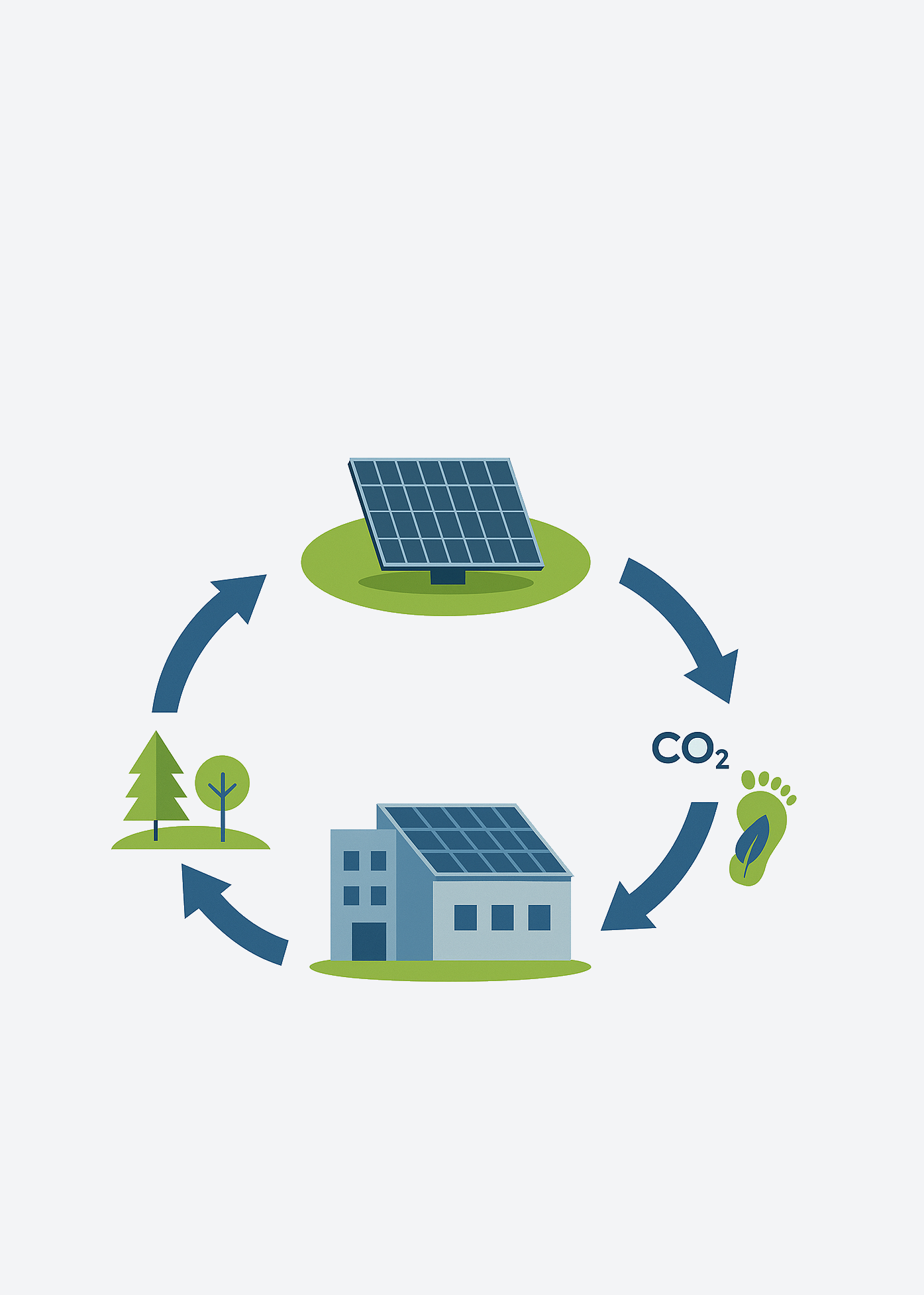
2024 is our baseline year. We report Scope 1 and Scope 2 (location-based) for office and service activities in Denmark. CO₂ estimates are calculated via the platform in line with the GHG Protocol and the Danish Business Authority’s emission factors through Valified. Data covers electricity and district heating at Herstedvang 10, Albertslund, and fuel for company vehicles. 


Scope 3 (indirect emissions):  Scope 3 covers upstream energy and fuel-related activities (extraction, production/refining, power generation, transport, and distribution). These are automatically included via Klimakompas’ 2023 emission factors (updated annually). As a result, Scope 3 emissions are reported even when the input is primarily captured under Scope 1–2. 

Data sources: EV charging (supplier/invoice basis), district heating (landlord/administrator), fuel (card provider).

Data quality and updates: Focus on boundaries, traceable documentation, and a consistent methodology year-over-year. The calculation is updated periodically in line with changes to the data basis.

Pollution of Air, Water, and Soil (B4) 

SolarFuture is not subject to reporting requirements for an Environmental Management System (EMS)
  •  SolarFuture is not subject to reporting requirements for emissions to air, water, or soil, as the company does not operate production facilities or activities with direct environmental discharges. Our environmental impact is limited to energy consumption, transport, and waste, which are reported under the relevant sections. 
Biodiversity-sensitive locations

0.00

2024

Biodiversity-sensitive area

0.00

ha

2024

Biodiversity (B5) 

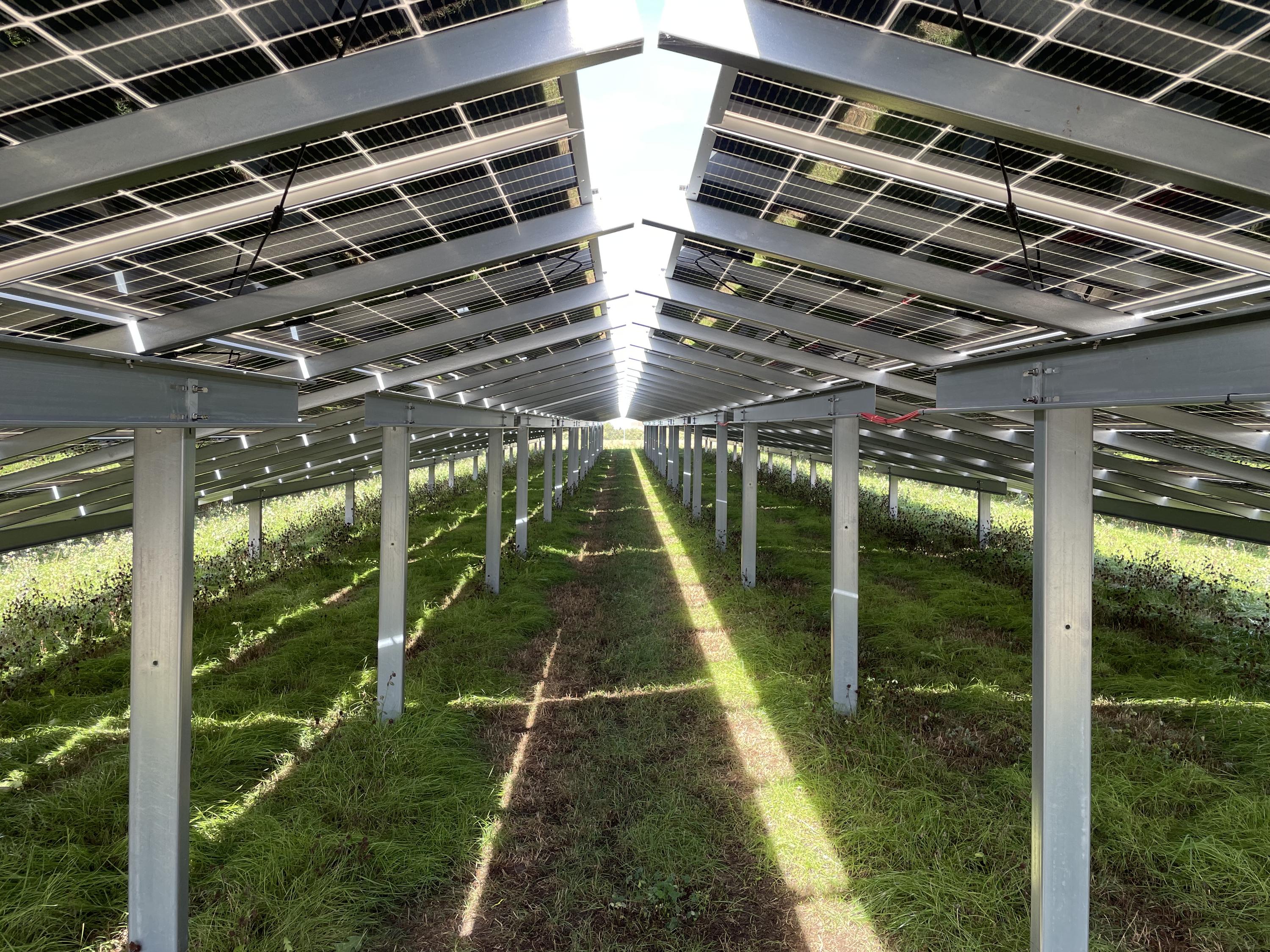
In 2024, SolarFuture had no activities at locations or areas classified as particularly sensitive to biodiversity, including Natura 2000 sites; therefore, the indicator is 0.00. We recognize the importance of biodiversity as part of the green transition and view it as a central focus area in our future ESG efforts.


Even though our solar parks are not located within Natura 2000 areas, we work to the same high environmental standards. This means that in all relevant projects we conduct environmental screening, baseline mapping of nature and species, and set clear requirements for contractors on buffer zones or work windows (seasonal restrictions for fauna and birdlife).

During construction we demarcate sensitive areas, minimize soil disturbance, and establish insect and bird habitats. We cooperate with environmental organizations and authorities to minimize impacts and implement conservation initiatives such as flower strips, gentle grazing, and small wildlife passages.

Future biodiversity initiatives 

As part of our strategic ESG efforts, we expect in 2025 to enter into partnerships and/or sponsorships for projects that contribute to climate adaptation and strengthen biodiversity. 


Water consumption

43.0

2024

Water (B6) 

In 2024, SolarFuture’s total water consumption was 43 m³, primarily related to office operations. According to the WRI’s Aqueduct – Water Risk Atlas, Denmark is not a high-risk area for water stress, and consumption is therefore assessed to have a limited environmental impact, as the company has no water-intensive processes. 


Water consumption and key figures 

Water consumption corresponds to 3.07 m³ per full-time employee (FTE). As consumption relates exclusively to office operations, the area is assessed as low materiality and is reported annually as an operational key figure

Resource Use, Circularity, and Waste Management (B7) 

Based on the Ellen MacArthur Foundation’s framework for a circular economy, we work according to three principles: prevent waste and pollution, keep materials in circulation for as long as possible, and give back to nature. These principles guide our procurement, waste sorting, and documented return/recycling (WEEE).  

 Less waste and pollution 

 We set requirements in procurement for long product lifetimes and documentation (EPD & LCA), and we reduce waste through waste separation

 Reuse of materials and products 

 Decommissioned solar panels and related electronics are handled under producer responsibility (Electronics, WEEE, Category 7) through registration in the Danish Producer Responsibility (DPA) national register for electrical and electronic equipment. 

 Benefiting nature 

 Our efforts reduce the need for new resource extraction and instead create value through reuse and recycling. In this way, we actively contribute to a more balanced interaction between business, environment, and biodiversity. 

Amount of waste generated

46.7

ton

2024

Amount of waste prepared for recycling

7.92

ton

2024

Resource Use, Circularity, and Waste Management (B7)

At Herstedvang 10, SolarFuture’s share of the property’s waste for the period 01.01–31.12.2024 has been calculated based on floor area (1,007.03 m² of 20,000.80 m² ≈ 5.03%). This corresponds to a total of 46,735 kg of waste


Waste – calculation and method 

 Fractions and treatment 
  • Prepared for recycling in total: 7,925 kg (≈ 16.96%)
    including organic 4,210 kg (for biogas), paper/cardboard 2,570 kg, plastic/food/drink cartons 895 kg, glass 250 kg.

    Combustible residual waste: 38,810 kg
    (≈ 83.04% energy recovery/incineration).
Note
The calculation is based on the landlord’s fraction data and weight statements, allocated by area. Wherever possible, we work with clear waste sorting and packaging return to increase the share prepared for recycling. 
Full-time employees

14.0

2024

Temporary employees in full-time equivalents

0.36

2024

Workforce (B8) 

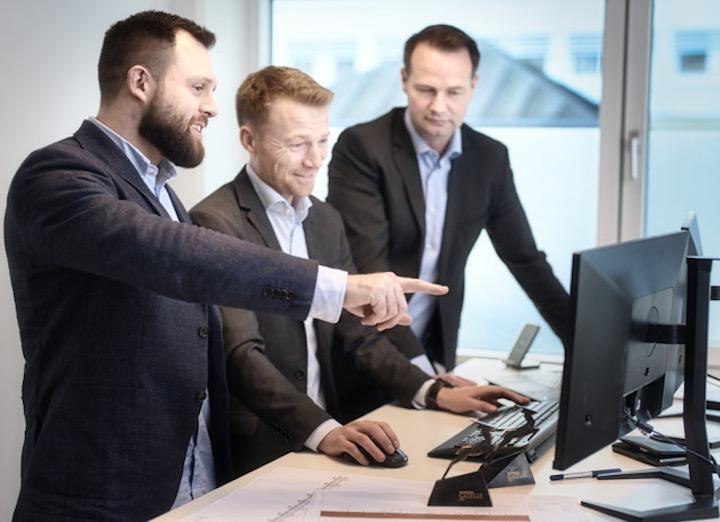
In 2024, SolarFuture’s workforce consisted of 14.0 full-time equivalents (FTE) and 0.36 FTE temporary employees. The calculation is an annual average, where part-time employees are converted to FTE, and staff who joined or left during the year are proportionally included. 


Growth in organization and teams 

Based on recent years of growth, we expect our workforce to expand in step with the company’s continued development. Expansion will be gradual and needs-driven, so that capacity and competencies align with our project pipeline and quality requirements. 


Number of male full-time employees in the company

13.0

2024

Number of female full-time employees in the company

1.00

2024

Workforce (B8) 

Gender composition calculated as annual average in FTE: 13.0 men and 1.0 woman (total 14.0 FTE). The calculation is FTE-based and includes part-time as well as employees joining or leaving during the year. 

(As we have fewer than 50 employees, we do not report on staff turnover.) 

Number of recordable work-related accidents

0.00

2024

Number of registered work-related fatalities

0.00

2024

Occupational Health & Safety (B9) 

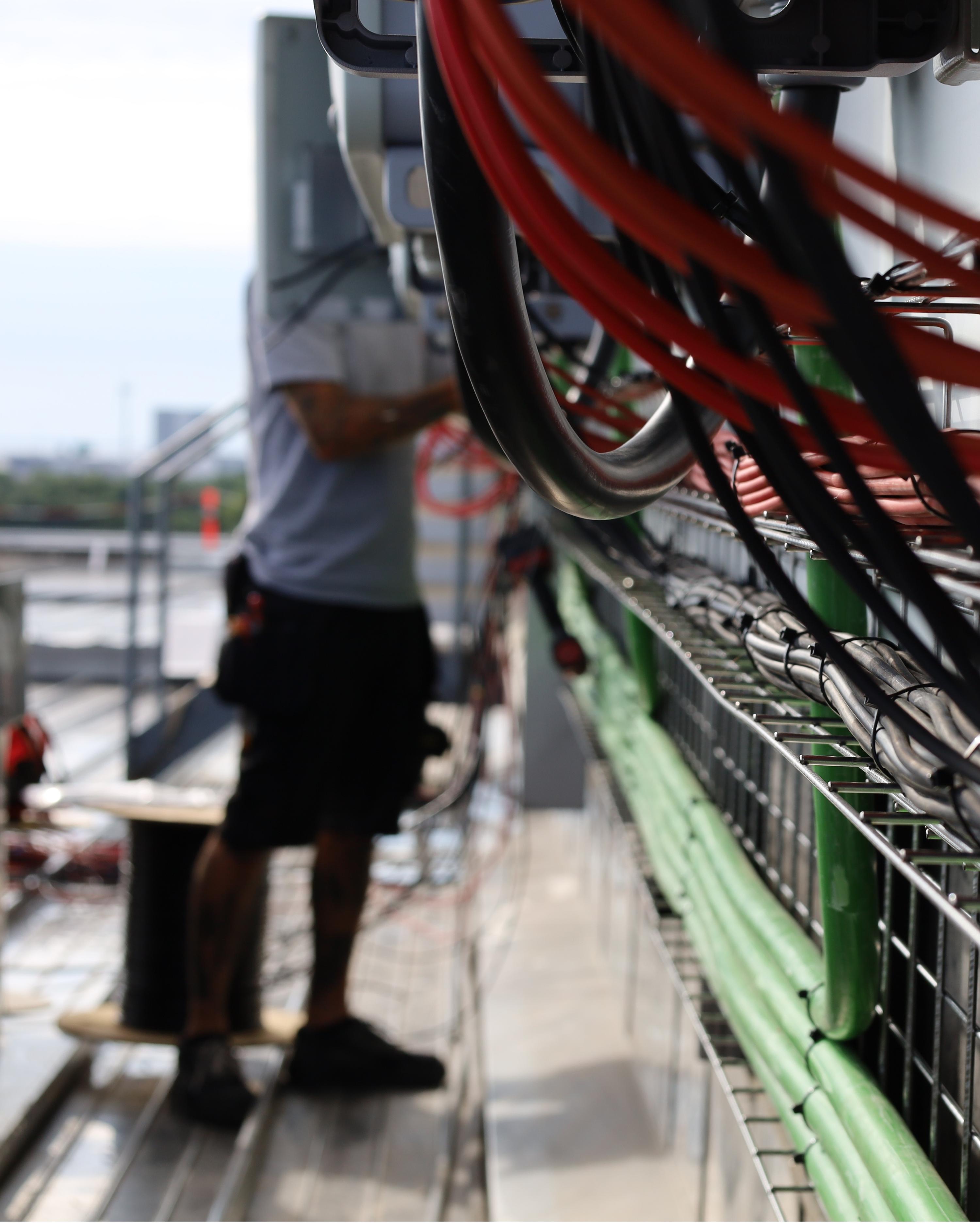
In 2024, there were no registered work-related accidents or fatalities at SolarFuture.

Accident frequency: 0.00 per 100 FTE.


Policies and initiatives 

We operate under the Danish Working Environment Act and our workplace risk assessments (APV). Employees are trained in working at heights, electrical safety, safe use of tools, and PPE (fall protection, helmets, etc.).

We conduct regular safety training courses and appoint safety officers on projects. We apply permit-to-work/LOTO procedures for electrical work and ensure emergency preparedness and first aid on all projects. 

Corruption and Bribery (B11) 

SolarFuture has zero tolerance for corruption and bribery and expects the same standard throughout our value chain.  
 Our Code of Conduct for Business Partners establishes requirements for due diligence, integrity, fair competition, and a clear prohibition against bribery and other unethical business practices. Suppliers must carry out appropriate due diligence, collaborate with us on risk assessments, controls, and continuous improvements. Any incidents will be investigated, documented, and addressed with appropriate consequences and learning. 

Confirmed cases of corruption

0.00

2024

Convictions for the violation of anti-corruption and anti-bribery laws

0.00

2024

 Final Comments 

Thank you for your interest. This report consolidates our work towards more responsible business practices: reducing CO₂ emissions, responsible resource management, decent and safe working conditions, and strong supplier responsibility. We have taken concrete steps to reduce our environmental and social impacts and will continue to improve processes and strengthen initiatives to create value locally, nationally, and globally.

We view this report as an important step in an ongoing journey. We measure, learn, and adjust continuously to ensure that we move in the right direction—towards higher standards of quality, safety, and sustainability across the entire industry.

Data Overview

 This is an overview of all data from the VSME Basis Baseline. 

Introduction to the company

2024
Bæredygtighed indgår i vision, strategi eller værdigrundlag
We are working on sustainability, but it is not written into our vision, strategy, or values foundation.
Virksomheden har sat mål for sit arbejde med bæredygtighed
We have chosen some focus areas, but we have not defined them as goals
Virksomheden arbejder i det daglige med at integrere bæredygtighed
Yes
Virksomheden kommunikerer internt om ansvarlighed indenfor miljø og klima
Yes
Virksomheden kommunikerer eksternt om ansvarlighed indenfor miljø og klima
Yes

Master Data (B1)

2024
Fuldtidsansatte (FTE)
14.0
Balancesum
38413652.0
Selskabsform
Private limited company (ApS)

Practices, policies and future initiatives for transitioning towards a more sustainable economy (B2)

2024
Politikker eller initiativer for områder der bidrager til bæredygtig omstilling
Own workforce, Workers in the value chain, Pollution, Corporate governance, Climate change, Circular economy, Biodiversity and ecosystems, Affected communities
Offentligt tilgængelige politikker
Workers in the value chain, Pollution, Climate change, Biodiversity and ecosystems
Fremtidige initiativer
Politikker med mål

Energy consumption (B3)

2024
Energiforbrug
238,752 kWh
Energiforbrug fra fossile energikilder
635,790 MJ
Energiforbrug fra vedvarende energikilder
223,719 MJ

CO2 (B3 - continued)

2024
Virksomheden ønsker at opgøre og udregne deres CO2
Yes
CO2e scope 1
38.9 ton
CO2e scope 2 lokationsbaseret
4.00 ton
Lokationsbaseret CO2-intensitet
~0.00 ton/DKK

Biodiversity (B5)

2024
Sårbare lokationer
0.00
Sårbart areal
0.00 ha
Samlet arealforbrug
1,007
Befæstet areal
0.00
Naturorienteret område inden for anlægsområdet
0.00 ha
Naturorienteret område uden for anlægsområdet
0.00 ha

Water (B6)

2024
Vandforbrug
43.0

Resource use, circular economy and waste management (B7)

2024
Der drives processer, der involverer væsentlige materialestrømme
No
Mængde affald genereret
46,735 kg
Mængde farligt affald genereret
0.00 kg
Mængde affald genbrugt
0.00 kg
Mængde affald gjort klar til genanvendelse
7,925 kg
Der anvendes principper for cirkulær økonomi
Yes

Workforce (B8)

2024
Mandlige fuldtidsansatte i virksomheden
13.0
Kvindelige fuldtidsansatte i virksomheden
1.00
Fastansatte i fuldtidsækvivalenter
14.0
Midlertidigt ansatte i fuldtidsækvivalenter
0.36
Forladende medarbejdere
0.67

Health and safety (B9)

2024
Antal registrerede dødsfald som følge af arbejde
0.00
Antal arbejdsulykker
0.00
Alle arbejdede timer
29,987 hours

Remuneration, collective bargaining and training (B10)

2024

Convictions and fines for corruption and bribery (B11)

2024
Domfældelser for korruption og bestikkelse
0.00
Beløb af bøder for korruption og bestikkelse
0.0

Comments on the report

The report is not verified by an independent third party. Although we have made efforts to ensure that the content of the report is accurate, there is no guarantee regarding its accuracy and/or completeness, and we therefore disclaim any liability for any damage or loss that may arise from actions taken based on the report.

Denne ImpactReport er lavet med Valified